Lebanese cuisine is a vibrant tapestry of flavors, colors, and textures that reflects the country’s rich history and Mediterranean heritage. Nestled between the sea and mountains, Lebanon has been a crossroads of cultures for millennia, influenced by Phoenician, Ottoman, Arab, and French traditions. This fusion results in dishes that emphasize fresh ingredients like olive oil, garlic, lemon, herbs, and spices such as sumac and za’atar. At the heart of Lebanese dining is the concept of sharing—meals are social events where family and friends gather around tables laden with an array of small plates.
The term “mezze” (or “mezza”) encapsulates this communal spirit, serving as the foundation of many meals. From there, hearty mains and indulgent desserts complete the experience. Lebanese food is not just about sustenance; it’s about hospitality, balance, and the joy of eating. Whether you’re enjoying a simple street snack or a lavish feast, the cuisine highlights seasonal produce, lean proteins, and aromatic seasonings. Health benefits abound too—many dishes are plant-based, rich in fiber, and low in processed ingredients, aligning with the Mediterranean diet praised for its heart-healthy properties.
In this guide, we’ll journey through Lebanese food from appetizers to sweets, exploring iconic dishes, their origins, and tips for recreating them at home. For more on Mediterranean flavors, check out our https://forknfood.com/ article on Middle Eastern Spices. If you’re new to this cuisine, start with classics like hummus or tabbouleh—they’re gateways to a world of taste.
The Art of Mezze: Starters That Steal the Show
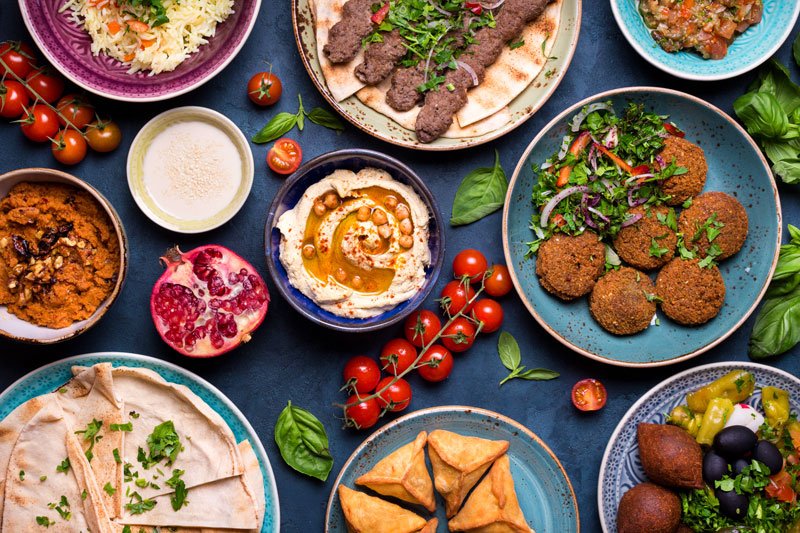
Mezze is more than an appetizer; it’s a dining philosophy. Derived from the Arabic word for “to taste” or “to savor,” mezze consists of a variety of small dishes served at the beginning of a meal or as a standalone spread. In Lebanon, a mezze platter can include anywhere from a few items at home to dozens at restaurants, often accompanied by warm pita bread (khubz) for scooping and dipping. This style promotes conversation and leisurely eating, embodying the Lebanese value of generosity.
One of the most beloved mezze is hummus, a creamy dip made from blended chickpeas, tahini (sesame paste), garlic, lemon juice, and olive oil. Topped with paprika, whole chickpeas, or pine nuts, it’s smooth, nutty, and addictive. Hummus originated in the Levant region and has become a global staple, but the Lebanese version often features extra tahini for richness. Pair it with fresh vegetables like cucumber, radish, or carrot sticks for a refreshing crunch. For a homemade twist, try our Hummus Recipe, which includes tips for ultra-smooth texture.
Next up is baba ghanouj (or baba ganoush), a smoky eggplant dip charred over an open flame, then mashed with tahini, garlic, and lemon. The charring imparts a deep, earthy flavor that’s irresistible. It’s often garnished with pomegranate seeds for a burst of tartness. Similar to hummus, it’s vegan and versatile—spread it on bread or use it as a side.
No mezze is complete without tabbouleh, a fresh herb salad that’s more parsley than grain. Finely chopped parsley, mint, tomatoes, onions, and bulgur wheat are dressed with olive oil and lemon juice, sometimes with a hint of allspice. It’s light, zesty, and packed with vitamins, making it a perfect palate cleanser. Legend has it that tabbouleh hails from the mountains of Lebanon and Syria, where fresh herbs grow abundantly.
For something heartier, kibbeh is Lebanon’s national dish. This versatile creation involves ground meat (usually lamb or beef) mixed with bulgur, onions, and spices. It can be shaped into torpedoes and fried (kibbeh nayyeh is raw, like tartare, but cooked versions are safer for beginners), baked in a tray, or stuffed. Kibbeh reflects the resourcefulness of Lebanese cooks, using simple ingredients to create complex flavors.
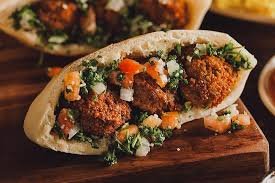
Other mezze highlights include fattoush, a salad with toasted pita croutons, mixed greens, tomatoes, cucumbers, and a sumac-lemon dressing for tanginess; falafel, crispy chickpea fritters spiced with cumin and coriander, often wrapped in pita with tahini sauce; and labneh, strained yogurt drizzled with olive oil and za’atar, served with olives and pickles. Muhammara, a roasted red pepper and walnut dip, adds a spicy, nutty element.
To assemble your own mezze platter, aim for balance: include dips, salads, fried items, and pickled vegetables. Serve with arak, an anise-flavored spirit diluted with water, for authenticity. Mezze isn’t just food—it’s a celebration of freshness and variety, ideal for gatherings. For inspiration, visit Maureen Abood’s Mezze Recipes.
Hearty Main Courses: The Soul of Lebanese Dining
After the mezze warmup, Lebanese meals transition to robust main courses that showcase grilled meats, stews, and baked goods. These dishes often incorporate rice, vegetables, and yogurt, with influences from Ottoman and Arab culinary traditions. Portions are generous, designed for sharing, and flavors build on the mezze’s freshness with deeper, spiced profiles.
A standout is shish taouk, marinated chicken skewers grilled to perfection. Cubes of chicken are soaked in yogurt, garlic, lemon, and spices like paprika and thyme, then threaded onto skewers with onions and peppers. Served with garlic sauce (toum) and rice, it’s juicy and aromatic. This dish is popular street food in Beirut, where vendors grill it fresh.
For lamb lovers, kafta is essential—ground meat mixed with parsley, onions, and seven spices (a blend including allspice, cinnamon, and nutmeg), shaped into patties or skewers and grilled. It’s often wrapped in pita with tahini, tomatoes, and pickles for a kafta sandwich. Kafta can also be baked with potatoes and tomatoes in a tray for a comforting casserole.
Kibbeh labanieh takes kibbeh to the next level: kibbeh balls simmered in a yogurt sauce with mint and garlic. The tangy yogurt complements the spiced meat, creating a creamy, satisfying stew. Another yogurt-based dish is fatteh, layered toasted pita, chickpeas, yogurt, and pine nuts, sometimes with eggplant or meat.
Seafood shines in coastal Lebanon with sayadieh, a fisherman’s rice dish featuring spiced fish (like sea bass) atop caramelized onion rice, garnished with almonds. The name means “fisherman,” reflecting its origins among seaside communities.
Vegetarian options abound, like mujaddara, lentils and rice topped with caramelized onions—simple yet flavorful, often served with yogurt. Manakish (or man’oushe) is a flatbread topped with za’atar and olive oil, baked in a wood-fired oven. It’s Lebanon’s answer to pizza, eaten for breakfast or as a snack.
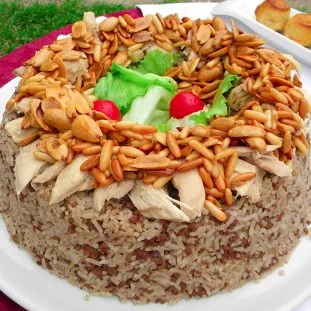
For a showstopper, try makloubeh, an upside-down rice dish with layered eggplant, cauliflower, meat, and rice, flipped to reveal a beautiful mosaic. The name means “upside down,” and it’s a festive favorite.
Lebanese mains emphasize grilling and baking over frying, keeping dishes light yet hearty. Pair them with a side salad or more mezze for a complete meal. If you’re experimenting, our Shish Taouk Recipe is a great starting point. For deeper dives, explore Will Fly for Food’s Lebanese Guide.
Sweet Endings: Lebanese Desserts That Delight
Lebanese desserts are a symphony of sweetness, often featuring nuts, phyllo dough, and floral waters like rose or orange blossom. They balance the savory meal with honeyed indulgence, and many trace back to Ottoman influences. These treats are not overly heavy, thanks to syrups that keep them moist without excess butter.
Baklava (or baklawa) is iconic: layers of thin phyllo dough filled with chopped nuts (pistachios, walnuts, or almonds), baked, then soaked in sugar syrup or honey. The result is crispy, nutty, and sticky-sweet. Variations include diamond-shaped cuts or rolls. It’s a staple at celebrations and pairs wonderfully with Turkish coffee.
Kanafeh (or knafeh) is a cheese-based delight: shredded phyllo (kataifi) layered with soft cheese like akkawi, baked until golden, then drenched in orange blossom syrup and topped with pistachios. The contrast of crunchy top, gooey cheese, and sweet syrup is heavenly. Often served warm, it’s a street food favorite in Tripoli.
For something lighter, rice pudding (roz bel laban) is creamy rice cooked in milk, flavored with rose water, and sprinkled with pistachios. It’s comforting and subtly aromatic. Maamoul are semolina cookies stuffed with dates, walnuts, or pistachios, molded into intricate designs and dusted with powdered sugar—perfect for Eid holidays.
Other sweets include sfouf, a turmeric cake with anise and sesame; halawet el jibn, sweet cheese rolls filled with clotted cream and drizzled with syrup; and awamat, fried dough balls soaked in honey, like Middle Eastern doughnuts.
Lebanese desserts use natural sweeteners and nuts for nutrition, making them a guilt-free pleasure in moderation. End your meal with mint tea to digest. For recipes, see Chef Tariq’s Dessert Guide.
Conclusion: Embrace the Lebanese Table
Lebanese cuisine invites you to savor life’s simple pleasures through food that’s as nourishing as it is delicious. From the communal mezze to satisfying mains and floral desserts, each bite tells a story of heritage and hospitality. Whether dining in Beirut or your kitchen, focus on fresh ingredients and sharing. Experiment with our Lebanese Recipe Collection or explore external resources like Wanderlustingk’s Comprehensive Guide. Bon appétit—or as they say in Lebanon, “sahtein” (double health)!
Lebanese Food Guide: From Mezze to Desserts
Lebanese cuisine is a vibrant tapestry of flavors, colors, and textures that reflects the country’s rich history and Mediterranean heritage. Nestled between the sea and mountains, Lebanon has been a crossroads of cultures for millennia, influenced by Phoenician, Ottoman, Arab, and French traditions. This fusion results in dishes that emphasize fresh ingredients like olive oil, garlic, lemon, herbs, and spices such as sumac and za’atar. At the heart of Lebanese dining is the concept of sharing—meals are social events where family and friends gather around tables laden with an array of small plates.
The term “mezze” (or “mezza”) encapsulates this communal spirit, serving as the foundation of many meals. From there, hearty mains and indulgent desserts complete the experience. Lebanese food is not just about sustenance; it’s about hospitality, balance, and the joy of eating. Whether you’re enjoying a simple street snack or a lavish feast, the cuisine highlights seasonal produce, lean proteins, and aromatic seasonings. Health benefits abound too—many dishes are plant-based, rich in fiber, and low in processed ingredients, aligning with the Mediterranean diet praised for its heart-healthy properties.
In this guide, we’ll journey through Lebanese food from appetizers to sweets, exploring iconic dishes, their origins, and tips for recreating them at home. For more on Mediterranean flavors, check out our article on Middle Eastern Spices. If you’re new to this cuisine, start with classics like hummus or tabbouleh—they’re gateways to a world of taste.
The Art of Mezze: Starters That Steal the Show
Mezze is more than an appetizer; it’s a dining philosophy. Derived from the Arabic word for “to taste” or “to savor,” mezze consists of a variety of small dishes served at the beginning of a meal or as a standalone spread. In Lebanon, a mezze platter can include anywhere from a few items at home to dozens at restaurants, often accompanied by warm pita bread (khubz) for scooping and dipping. This style promotes conversation and leisurely eating, embodying the Lebanese value of generosity.
One of the most beloved mezze is hummus, a creamy dip made from blended chickpeas, tahini (sesame paste), garlic, lemon juice, and olive oil. Topped with paprika, whole chickpeas, or pine nuts, it’s smooth, nutty, and addictive. Hummus originated in the Levant region and has become a global staple, but the Lebanese version often features extra tahini for richness. Pair it with fresh vegetables like cucumber, radish, or carrot sticks for a refreshing crunch. For a homemade twist, try our Hummus Recipe, which includes tips for ultra-smooth texture.
Next up is baba ghanouj (or baba ganoush), a smoky eggplant dip charred over an open flame, then mashed with tahini, garlic, and lemon. The charring imparts a deep, earthy flavor that’s irresistible. It’s often garnished with pomegranate seeds for a burst of tartness. Similar to hummus, it’s vegan and versatile—spread it on bread or use it as a side.
No mezze is complete without tabbouleh, a fresh herb salad that’s more parsley than grain. Finely chopped parsley, mint, tomatoes, onions, and bulgur wheat are dressed with olive oil and lemon juice, sometimes with a hint of allspice. It’s light, zesty, and packed with vitamins, making it a perfect palate cleanser. Legend has it that tabbouleh hails from the mountains of Lebanon and Syria, where fresh herbs grow abundantly.
For something heartier, kibbeh is Lebanon’s national dish. This versatile creation involves ground meat (usually lamb or beef) mixed with bulgur, onions, and spices. It can be shaped into torpedoes and fried (kibbeh nayyeh is raw, like tartare, but cooked versions are safer for beginners), baked in a tray, or stuffed. Kibbeh reflects the resourcefulness of Lebanese cooks, using simple ingredients to create complex flavors.
Other mezze highlights include fattoush, a salad with toasted pita croutons, mixed greens, tomatoes, cucumbers, and a sumac-lemon dressing for tanginess; falafel, crispy chickpea fritters spiced with cumin and coriander, often wrapped in pita with tahini sauce; and labneh, strained yogurt drizzled with olive oil and za’atar, served with olives and pickles. Muhammara, a roasted red pepper and walnut dip, adds a spicy, nutty element.
To assemble your own mezze platter, aim for balance: include dips, salads, fried items, and pickled vegetables. Serve with arak, an anise-flavored spirit diluted with water, for authenticity. Mezze isn’t just food—it’s a celebration of freshness and variety, ideal for gatherings. For inspiration, visit Maureen Abood’s Mezze Recipes.
Hearty Main Courses: The Soul of Lebanese Dining
After the mezze warmup, Lebanese meals transition to robust main courses that showcase grilled meats, stews, and baked goods. These dishes often incorporate rice, vegetables, and yogurt, with influences from Ottoman and Arab culinary traditions. Portions are generous, designed for sharing, and flavors build on the mezze’s freshness with deeper, spiced profiles.
A standout is shish taouk, marinated chicken skewers grilled to perfection. Cubes of chicken are soaked in yogurt, garlic, lemon, and spices like paprika and thyme, then threaded onto skewers with onions and peppers. Served with garlic sauce (toum) and rice, it’s juicy and aromatic. This dish is popular street food in Beirut, where vendors grill it fresh.
For lamb lovers, kafta is essential—ground meat mixed with parsley, onions, and seven spices (a blend including allspice, cinnamon, and nutmeg), shaped into patties or skewers and grilled. It’s often wrapped in pita with tahini, tomatoes, and pickles for a kafta sandwich. Kafta can also be baked with potatoes and tomatoes in a tray for a comforting casserole.
Kibbeh labanieh takes kibbeh to the next level: kibbeh balls simmered in a yogurt sauce with mint and garlic. The tangy yogurt complements the spiced meat, creating a creamy, satisfying stew. Another yogurt-based dish is fatteh, layered toasted pita, chickpeas, yogurt, and pine nuts, sometimes with eggplant or meat.
Seafood shines in coastal Lebanon with sayadieh, a fisherman’s rice dish featuring spiced fish (like sea bass) atop caramelized onion rice, garnished with almonds. The name means “fisherman,” reflecting its origins among seaside communities.
Vegetarian options abound, like mujaddara, lentils and rice topped with caramelized onions—simple yet flavorful, often served with yogurt. Manakish (or man’oushe) is a flatbread topped with za’atar and olive oil, baked in a wood-fired oven. It’s Lebanon’s answer to pizza, eaten for breakfast or as a snack.
For a showstopper, try makloubeh, an upside-down rice dish with layered eggplant, cauliflower, meat, and rice, flipped to reveal a beautiful mosaic. The name means “upside down,” and it’s a festive favorite.
Lebanese mains emphasize grilling and baking over frying, keeping dishes light yet hearty. Pair them with a side salad or more mezze for a complete meal. If you’re experimenting, our Shish Taouk Recipe is a great starting point. For deeper dives, explore Will Fly for Food’s Lebanese Guide.
Sweet Endings: Lebanese Desserts That Delight
Lebanese desserts are a symphony of sweetness, often featuring nuts, phyllo dough, and floral waters like rose or orange blossom. They balance the savory meal with honeyed indulgence, and many trace back to Ottoman influences. These treats are not overly heavy, thanks to syrups that keep them moist without excess butter.
Baklava (or baklawa) is iconic: layers of thin phyllo dough filled with chopped nuts (pistachios, walnuts, or almonds), baked, then soaked in sugar syrup or honey. The result is crispy, nutty, and sticky-sweet. Variations include diamond-shaped cuts or rolls. It’s a staple at celebrations and pairs wonderfully with Turkish coffee.
Kanafeh (or knafeh) is a cheese-based delight: shredded phyllo (kataifi) layered with soft cheese like akkawi, baked until golden, then drenched in orange blossom syrup and topped with pistachios. The contrast of crunchy top, gooey cheese, and sweet syrup is heavenly. Often served warm, it’s a street food favorite in Tripoli.
For something lighter, rice pudding (roz bel laban) is creamy rice cooked in milk, flavored with rose water, and sprinkled with pistachios. It’s comforting and subtly aromatic. Maamoul are semolina cookies stuffed with dates, walnuts, or pistachios, molded into intricate designs and dusted with powdered sugar—perfect for Eid holidays.
Other sweets include sfouf, a turmeric cake with anise and sesame; halawet el jibn, sweet cheese rolls filled with clotted cream and drizzled with syrup; and awamat, fried dough balls soaked in honey, like Middle Eastern doughnuts.
Lebanese desserts use natural sweeteners and nuts for nutrition, making them a guilt-free pleasure in moderation. End your meal with mint tea to digest. For recipes, see Chef Tariq’s Dessert Guide.
Frequently Asked Questions (FAQs) About Lebanese Food
Here are some common questions to help you dive deeper into Lebanese cuisine:
What is mezze exactly?
Mezze refers to a selection of small dishes served as appetizers or even as a full meal. It includes dips like hummus and baba ghanouj, salads like tabbouleh, grilled items, and more—always meant for sharing with pita bread. In Lebanon, it’s a social ritual emphasizing variety and freshness.
Is Lebanese food spicy?
Lebanese cuisine is flavorful but generally not very spicy. It relies on herbs, garlic, lemon, and mild spices like sumac, za’atar, and seven spices rather than hot chilies. Some dishes like muhammara can have a mild kick, but heat is adjustable and not dominant.
Is Lebanese food halal?
Yes, traditional Lebanese food is halal, as Lebanon has a large Muslim population, and Islamic dietary laws influence much of the cuisine. Meats like chicken, lamb, and beef are prepared according to halal standards, and pork is rarely used. Many dishes are naturally vegetarian or vegan.
What are the key ingredients in Lebanese cooking?
Core staples include olive oil, garlic, lemon, fresh herbs (parsley, mint), tahini, chickpeas, bulgur wheat, yogurt, za’atar, sumac, and seven spices. Fresh vegetables, nuts, and phyllo dough are also essential.
Is Lebanese cuisine healthy?
Absolutely—it’s part of the Mediterranean diet, rich in olive oil, vegetables, legumes, lean proteins, and whole grains. Dishes are often grilled or baked, low in processed foods, and high in antioxidants and fiber.
What’s the difference between kibbeh and kafta?
Kibbeh mixes ground meat with bulgur wheat for a textured, often fried or baked form. Kafta uses ground meat with herbs and spices but no bulgur, shaped into skewers or patties and typically grilled.
Must-Have Lebanese Products and Ingredients
To bring authentic Lebanese flavors home, stock up on these essentials—many are available online or at specialty stores:
- Za’atar: A versatile herb blend (thyme, sesame, sumac) perfect for manakish or sprinkling on labneh. Try brands like Salloum or Maureen Abood’s custom blends.
- Tahini: High-quality sesame paste for hummus and sauces—look for Lebanese or Middle Eastern imports.
- Extra Virgin Olive Oil: Lebanese varieties add authentic fruity notes to dips and salads.
- Sumac: Tangy red powder that brightens fattoush and meats.
- Bulgur Wheat: Fine or coarse for tabbouleh and kibbeh.
- Rose Water or Orange Blossom Water: For desserts like rice pudding and maamoul.
- Halva or Baklava: Ready-made treats from brands like Alkanater or Hallab for instant indulgence.
- Seven Spices Blend: A mix of allspice, cinnamon, nutmeg, and more for kafta and kibbeh.
Shop online at sites like Maureen Abood Market for premium Lebanese imports, Lebanese Food Market, or Buy Lebanese for authentic products shipped worldwide.
Conclusion: Embrace the Lebanese Table
Lebanese cuisine invites you to savor life’s simple pleasures through food that’s as nourishing as it is delicious. From the communal mezze to satisfying mains and floral desserts, each bite tells a story of heritage and hospitality. Whether dining in Beirut or your kitchen, focus on fresh ingredients and sharing. Experiment with our Lebanese Recipe Collection or explore external resources like Wanderlustingk’s Comprehensive Guide. Bon appétit—or as they say in Lebanon, “sahtein” (double health)!
Leave a Reply